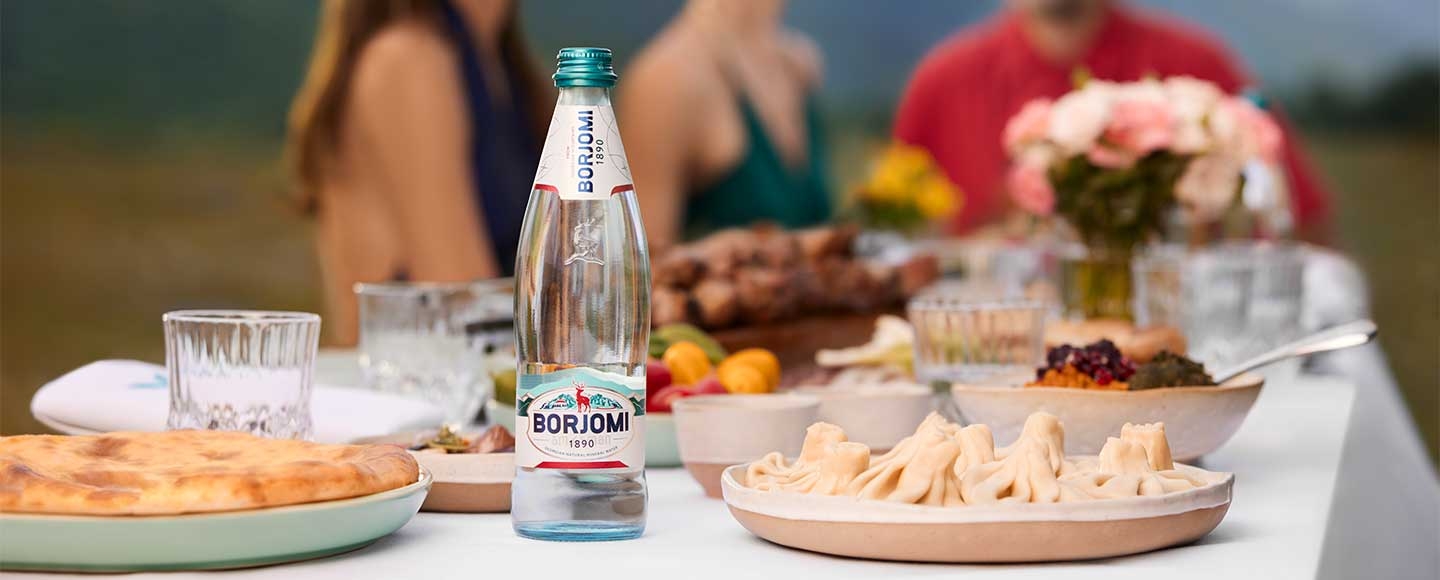
Georgian Culinary Heritage: Unique Traditional Dishes from Different Regions of Georgia
Georgia is distinguished by its unique cuisine, with each region preserving ancient recipes, local flavors, and culinary traditions. Some of these dishes are less known to the wider public, yet they form a true treasure trove of Georgian exotic gastronomy.
One of the symbols of Georgian gastronomic and cultural heritage, Borjomi, has been an integral part of the dining table for centuries. As a brand, Borjomi carries the responsibility of preserving and sharing culinary traditions—an extension of Georgian flavors and customs, blending the past with the present.
Here, we introduce a few traditional dishes from different parts of Georgia, whose recipes have withstood the test of time.
Ashvchapani
Ashvchapani, also known as kneaded cheese, is a traditional Abkhazian dish that has also found its place in Megrelian cuisine over the centuries. It resembles Elargi (a dish made of cheese and cornmeal), but differs in preparation technique and composition. The key distinction is that Elargi contains corn flour, whereas Ashvchapani is made entirely from cheese.
This dish is an important part of Abkhazian culinary heritage and is often eaten on its own or accompanied by other foods, such as Mchadi (cornbread). Since its preparation requires a special technique and culinary skill, its recipe has traditionally been passed down from generation to generation in Abkhazia. Traditionally, Ashvchapani was made from fresh cheese that was kneaded while hot. No extra ingredients are used—only the texture, taste, and kneading technique of the cheese are emphasized.
Tashmijabi
Potatoes are an essential part of Georgian gastronomy and cuisine. They are also the key ingredient in Tashmijabi, a traditional Svanetian dish.
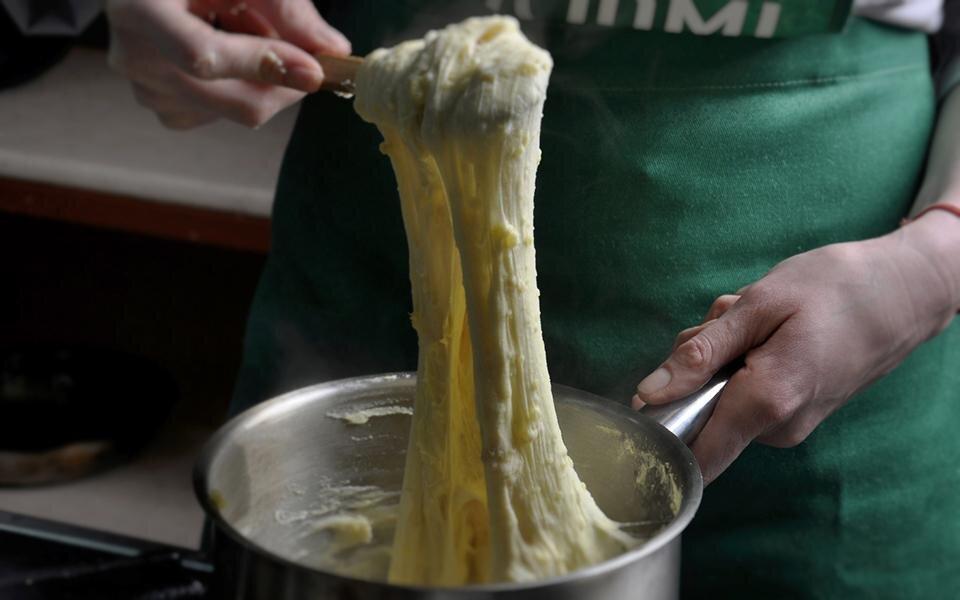
Tashmijabi is a distinctive Svanetian dish made by blending potatoes and cheese. Its texture is similar to Elargi, which is why it is sometimes called Svanetian Elargi. Fresh cheese is crucial for achieving the perfect taste. According to tradition, when served at the table, a small hollow is made in the center of the dish, filled with melted butter, and then offered to guests. Additionally, Tashmijabi is often enjoyed with Svanetian Khachapuri.
Abkhazura
Abkhazura is another dish that proves the significant influence of Abkhazian cuisine in Georgian culinary culture.

It is a type of meat patty made from minced beef and pork, wrapped in caul fat. The ingredients include Ajika (a Georgian-Abkhazian spicy paste), herbs, garlic, and onions. Over time, Abkhazura has transcended the borders of Abkhazian cuisine and is now found in various forms on the menus of renowned restaurants.
Tutmaji
Meskhetian cuisine is unique, shaped by long-standing traditions and various cultural influences. One of its exotic culinary gems is Tutmaji, a traditional Meskhetian dish.
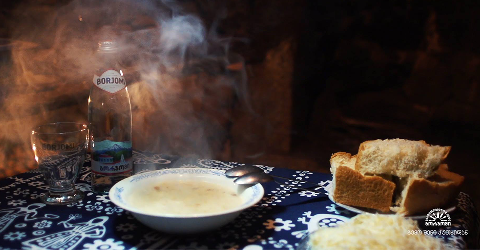
Tutmaji is a hearty soup made with small pieces of dough. Depending on the recipe, Matsoni (fermented milk) or Doogh (a Middle Eastern yogurt-based drink) is added to the broth. Interestingly, similar dishes can be found in Persian cuisine, demonstrating the historical links between different culinary traditions.
Tushqapati
Tushqapati is a traditional Tushetian dish made from fried veal.
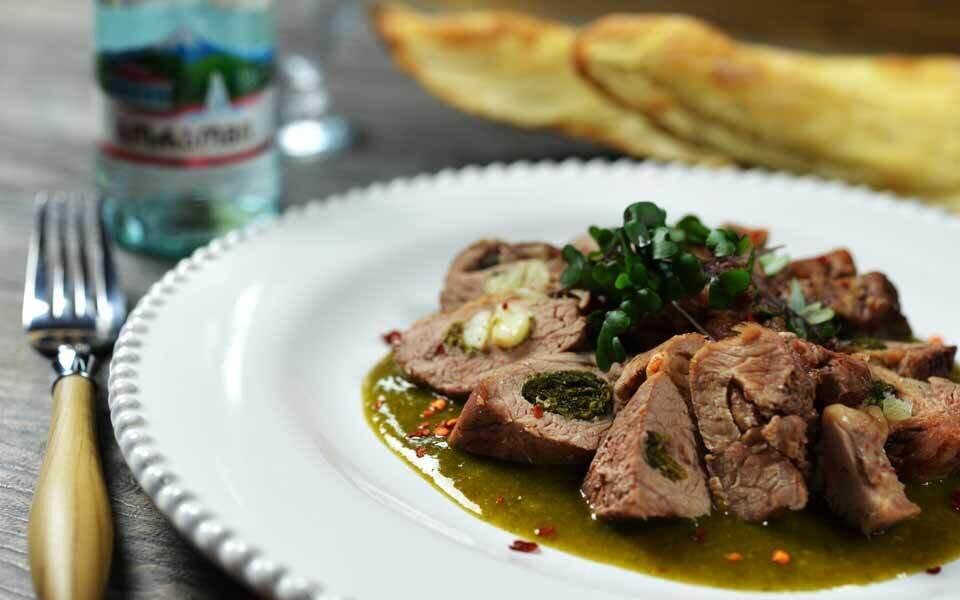
What makes this dish special is its uniquely flavored tarragon-based sauce, mixed with green tkemali (Georgian sour plum sauce). According to historical accounts, Tushqapati was frequently served at traditional Tushetian feasts, including ceremonial banquets dedicated to brotherhood oaths.
To this day, this dish retains its special place in Georgian cuisine, with modern variations appearing in many restaurant menus.
Georgian cuisine is more than just old recipes—it preserves traditions, customs, and the way of life of our ancestors. Exploring regional dishes and sharing their history enriches not only our culinary culture but also highlights the essence of Georgian identity in a fascinating context.